The Realities About Deepwater Drilling
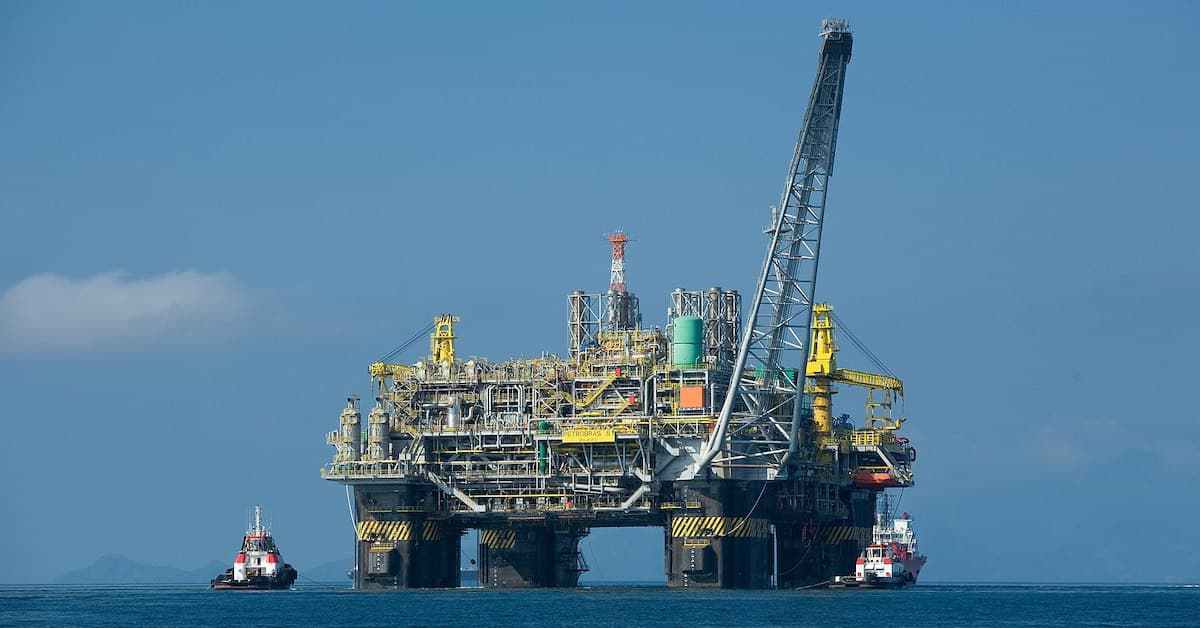
Did you know that more than 3,800 offshore wells have a drill in Australian waters? And that around 150 wells * were drilled in water depths of more than 1000 meters? According to the International Energy Agency (IEA), the deep Sea made up about half of the oil and gas resources exposed in the last decade.
Deepwater drilling is becoming progressively common worldwide, including in the Norwegian Sea, the Gulf of Mexico, and of Canada, Africa, India, South America, and Australia.
Table of Contents
Deepwater Drilling
What Is Deepwater Drilling?
Deepwater drilling involves extracting oil and gas from reservoirs located thousands of meters below sea level. These projects require advanced engineering and significant investment.
Technologies Used in Deepwater Drilling
Subsea Equipment
-
Blowout preventers (BOPs)
-
Subsea wellheads and risers
-
Remote-operated vehicles (ROVs)
Offshore Drilling Rigs
-
Drillships and semi-submersible rigs
-
Dynamic positioning systems
-
Real-time monitoring technology
Safety and Environmental Measures
-
Strict international regulations
-
Emergency response planning
-
Spill prevention and containment systems
Economic Importance
-
Access to large untapped reserves
-
Long-term energy security
-
High-value offshore projects
Despite its complexity, deepwater drilling remains essential for meeting global energy demand.
How Does Offshore Drilling Work?
Step 1: Exploration
Energy companies use seismic survey vessels to explore large areas while tracking devices that send sound waves to the ocean floor. The sound waves bounce off the rock layers below the seafloor and capture by sensors or “geophones” connected to the survey vessel. (Learn more about marine seismic surveys)
Geologists can then analyze this data to determine if hydrocarbons might be present. Offshore, they usually occur in layers of leaky sandstone, where the resource trap is in the rock’s pores.
Step 2: Installing A Suitable Casing And Blowout Prevention Device
For deepwater drilling, energy companies will use semi-submersible floating drilling rigs or drilling ships. These systems are positioned with GPS technology and motors and can extract resources from water depths of 600 to more than 3,600 meters. The technology allows harmless drilling even offshore.
Once the first hole (called the top hole) is a drill, a sturdy steel sleeve is inserted into the hole and firmly cemented to fill the space between the rock and the outer wall of the steel pipe.
A subsea wellhead install and a blowout prevention device lower into the healthy opening to effectively seal it. It is a large, specialized mechanical device equipped with hydraulic rams to seal the hole if necessary. Drilling continues till the target depth reach, using progressively smaller diameter liners.
Step 3: Drilling And Completion Of Wells
If a resource is found, the well can be a “producer well” that allows the oil or natural gas to flow in a tightly controlled manner through the casing and “up” to the receiving platform. Typically this case is only about 20cm wide.
Once a production or exploration operation is complete, the well permanently sealed.
Brief Information:
Each year approximately 90 wells are drilled off the coast of Australia.
Australia has been exploring the deep Sea for over 40 years.
The International Energy Agency defines “deep water” as a water depth of more than 400 meters.
The world’s initial deepwater fit drill in 1975 and the world’s primary ultra-deepwater well (over 1,500 meters) drill in 1986.
Today, deep / ultra-deepwater operations produce at least 3 billion barrels per day.
The current record for the most profound water depth on an offshore drilling rig is around 3,400 meters underwater.
For comparison: the recently approved Exxon offshore well in Victoria is only about 2,300 meters underwater.
The well Equinor plans to drill next year in the Great Australian Bight is located at a water depth of 2,239 meters.
Risks
While Deepwater Drilling is effective, it has several risks and drawbacks. First, it is dangerous to drill at such depths as the complexity of the equipment increases significantly. Another risk of training in these locations is the harsh offshore environment.
The damage that deep-sea drilling causes to the ocean environment is a significant risk. Every time oil drills, different minerals are extracte from the ocean floor. The pipelines and infrastructure required to bring oil to shore from deepwater platforms also affect the onshore and coastal environment.
Environmental Regulations in Deepwater Drilling
Deepwater drilling operations are governed by strict environmental regulations due to the potential risks involved in offshore exploration. Activities carried out at extreme depths increase the consequences of equipment failure, spills, or pressure-related incidents, making regulatory oversight essential for protecting marine ecosystems.
Before any deepwater project begins, operators are typically required to conduct comprehensive environmental impact assessments. These assessments evaluate potential effects on marine life, seabed conditions, and surrounding ecosystems. Approval is granted only after mitigation plans, monitoring systems, and emergency response strategies are clearly defined.
During operations, companies must continuously monitor discharges, emissions, and well integrity. Emergency preparedness, including spill containment and response planning, is a mandatory requirement rather than an optional safeguard. Failure to meet regulatory standards can result in severe penalties, project suspension, and long-term reputational damage. As a result, environmental compliance has become a core component of responsible deepwater drilling rather than a regulatory formality.
Cost Comparison: Deepwater vs Shallow Water Drilling
The cost structure of deepwater drilling differs significantly from shallow water drilling due to increased technical complexity and operational risk. While both methods aim to extract offshore resources, their financial and logistical demands vary widely.
Deepwater drilling involves high upfront investment in specialized rigs, subsea equipment, and safety systems. Operational costs are also higher due to advanced technology requirements, skilled workforce needs, and strict regulatory compliance. However, deepwater projects often provide access to larger, long-term reserves that can justify the initial investment over time.
Shallow water drilling, on the other hand, typically requires lower capital expenditure and simpler infrastructure. These projects are easier to manage and involve fewer operational risks, but they often offer limited production capacity and shorter project lifespans.
From a business perspective, deepwater drilling represents a high-risk, high-reward strategy, while shallow water drilling offers lower risk with more modest returns.
Future Trends: Robotics and AI in Deepwater Drilling
The future of deepwater drilling is increasingly shaped by advancements in robotics and artificial intelligence. Operating at extreme depths limits human intervention, making automation and remote technologies essential for improving safety and efficiency.
Robotic systems and remotely operated vehicles are now widely used for inspection, maintenance, and repair of subsea equipment. These technologies reduce the need for human exposure to hazardous conditions while enabling faster and more precise operations. AI-driven analytics further enhance decision-making by predicting equipment failures, optimizing drilling parameters, and reducing downtime.
As sustainability and cost control become greater priorities, the adoption of robotics and AI is expected to accelerate. These innovations not only improve operational performance but also align deepwater drilling with broader environmental and business responsibility goals.