How to Clean a Dryer Vent: Fire Prevention Guide 2025
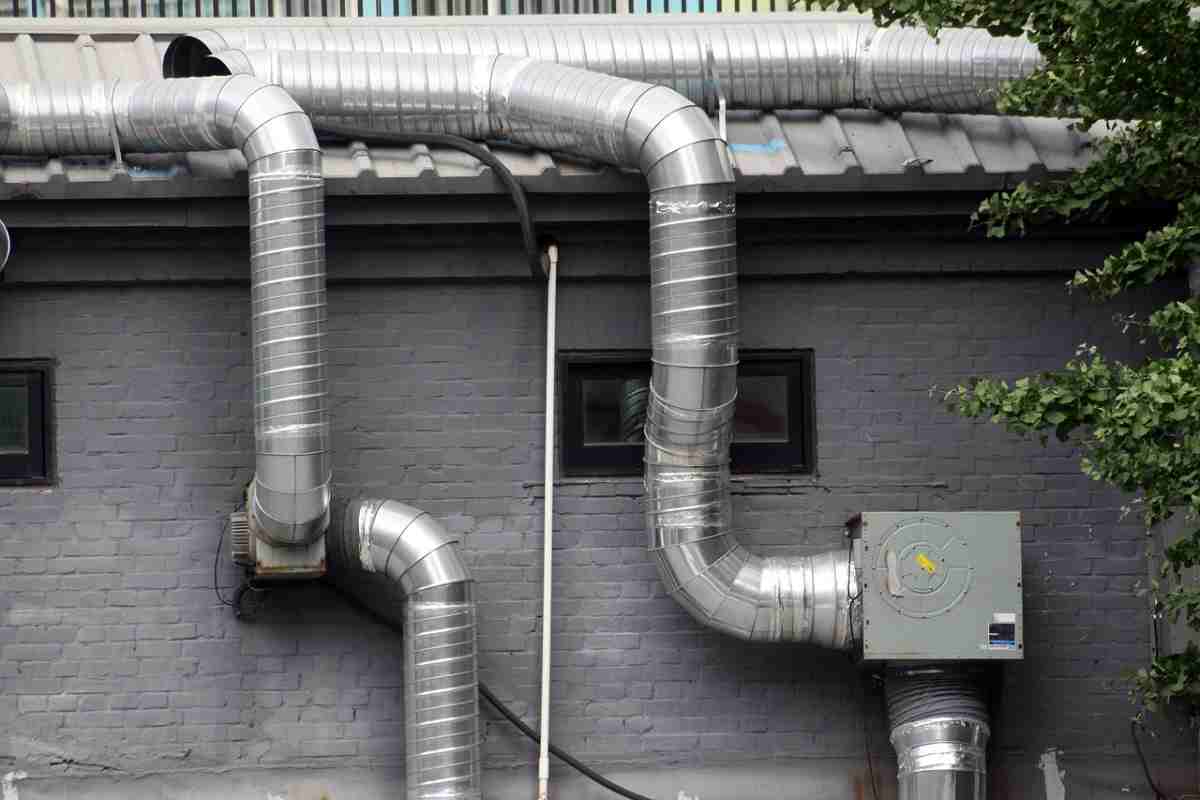
Cleaning your dryer vent is one of the most important home safety tasks—yet it’s also one of the most ignored. Many homeowners clean the lint trap after every load but forget that lint continues to build up deep inside the vent system, where it becomes a serious fire hazard.
According to the National Fire Protection Association (NFPA), dryer vents cause 2,900 home fires annually, resulting in $35 million in property damage. 34% of these fires occur in residential properties.
In this 2025 guide, you’ll learn why dryer vent cleaning is critical, the real fire statistics, exactly how to clean it step by step, when to DIY vs hire a professional, and how often you should maintain it to keep your home safe.
Table of Contents
Why Cleaning Your Dryer Vent Is Critical in 2025
Dryers generate heat, friction, and lint—all three ingredients needed for a fire. When airflow is restricted due to lint buildup, heat gets trapped, causing temperatures inside the vent to rise rapidly.
According to safety reports, dryer vents are more dangerous today because:
-
Homes are more airtight
-
Dryers run more frequently
-
Vent paths are longer in modern layouts
-
Flexible foil ducts trap lint easily
Ignoring dryer vent maintenance doesn’t just risk appliance damage—it can endanger lives.
Dryer Fire Statistics You Should Know
These numbers highlight why dryer vent cleaning is not optional:
-
2,900+ dryer fires occur every year
-
34% are caused by failure to clean dryer vents
-
Over $35 million in property damage annually
-
Hundreds of injuries and several deaths each year
-
Winter months show the highest fire risk
Lint is highly flammable. Once ignited, a fire can spread through walls within minutes.
How Often Should You Clean a Dryer Vent?
There’s no one-size-fits-all answer, but here are safe guidelines:
Standard Recommendation
-
Every 6–12 months for most households
Clean More Often If You:
-
Have pets (pet hair increases lint)
-
Do laundry more than 4–5 times per week
-
Use long vent runs (over 10–15 feet)
-
Have roof-mounted or wall-embedded vents
Failing to clean vents regularly also increases energy bills because dryers must work harder and run longer.
Warning Signs Your Dryer Vent Is Clogged
Don’t wait for a fire risk—watch for these early signs:
-
Clothes take more than one cycle to dry
-
Dryer feels unusually hot
-
Burning or musty smell during use
-
Excess lint behind the dryer
-
Exterior vent flap doesn’t open fully
-
Laundry room feels humid
If you notice two or more signs, clean the vent immediately.
Tools Needed to Clean a Dryer Vent (Under $20)
You don’t need professional tools to do this safely.
Basic DIY Tools Checklist
-
Dryer vent cleaning brush kit – $12–$15
-
Vacuum cleaner (shop vacuum preferred)
-
Screwdriver
-
Gloves
-
Dust mask
-
Flashlight
Total DIY cost: ~$20
Professional service cost: $120–$180
This makes dryer vent cleaning one of the highest ROI DIY safety tasks in any home.
Step-by-Step: How to Clean a Dryer Vent Safely
Follow these steps carefully for best results.
Step 1: Turn Off and Unplug the Dryer
Unplug the dryer from the power outlet.
For gas dryers, also shut off the gas supply valve.
Step 2: Pull the Dryer Away From the Wall
Slowly move the dryer forward to access the vent hose. Be careful not to kink or tear the duct.
Step 3: Disconnect the Vent Hose
Loosen the clamp with a screwdriver and gently remove the hose from the dryer and wall connection.
Step 4: Clean the Vent Hose
Insert the dryer vent brush into the duct and rotate it clockwise. Pull it out slowly to remove lint. Use a vacuum to capture loose debris.
Repeat until no lint comes out.
Step 5: Clean the Wall Vent Opening
Vacuum inside the wall vent as far as your hose allows. This step removes hidden lint buildup that often causes fires.
Step 6: Clean the Exterior Vent
Go outside and remove the vent cover. Clear out lint, leaves, bird nests, or debris. Ensure the flap opens freely.
Step 7: Reconnect and Test
Reattach the vent hose securely, push the dryer back, plug it in, and run the dryer for 5 minutes. Check outside for strong airflow.
Strong airflow means proper ventilation.
Professional vs DIY Dryer Vent Cleaning
| Factor | DIY Cleaning | Professional Cleaning |
|---|---|---|
| Cost | ~$20 | $120–$180 |
| Time | 30–45 minutes | 45–60 minutes |
| Skill Level | Low | None |
| Effectiveness | High | Very high |
| Fire Risk Reduction | Significant | Maximum |
Hire a Professional If:
-
Vent runs through the roof
-
Vent length exceeds 15 feet
-
You live in a multi-story home
-
Dryer hasn’t been cleaned in years
For most single-story homes, DIY cleaning once a year is sufficient.
Best Dryer Vent Materials (Fire Safety Tip)
Not all vent hoses are equal.
Recommended:
-
Rigid metal ducts
-
Semi-rigid aluminum ducts
Avoid:
-
Plastic ducts
-
Thin foil ducts (high fire risk)
Metal ducts improve airflow and reduce lint trapping.
CRITICAL SAFETY WARNING: Failure to clean dryer vents is the #1 cause of dryer fires. This 1-hour task could save your home and family.
Dryer Vent Maintenance Schedule
Use this schedule to stay safe year-round:
| Task | Frequency |
|---|---|
| Clean lint trap | Every load |
| Inspect vent hose | Every 3 months |
| Clean full vent | Every 6–12 months |
| Professional cleaning | Every 2–3 years |
Homes with pets or large families should clean more frequently.
Common Dryer Vent Cleaning Mistakes
Avoid these mistakes that reduce effectiveness:
-
Only cleaning the lint trap
-
Ignoring the exterior vent
-
Using leaf blowers (can push lint deeper)
-
Not reconnecting ducts properly
-
Skipping annual maintenance
Proper technique matters for real fire prevention.
Frequently Asked Questions
Can a clogged dryer vent really cause a fire?
Yes. Lint is extremely flammable, and trapped heat can ignite it quickly.
How long does dryer vent cleaning take?
DIY cleaning usually takes 30–45 minutes.
Does dryer vent cleaning save money?
Yes. It reduces drying time, lowers energy bills, and extends dryer lifespan.
Final Takeaway
Cleaning your dryer vent is one of the simplest, cheapest, and most life-saving home maintenance tasks you can do. For about $20 and under an hour of effort, you dramatically reduce fire risk, improve dryer efficiency, and protect your home and family.