Designing Soft Light and Beauty With Translucent Walls
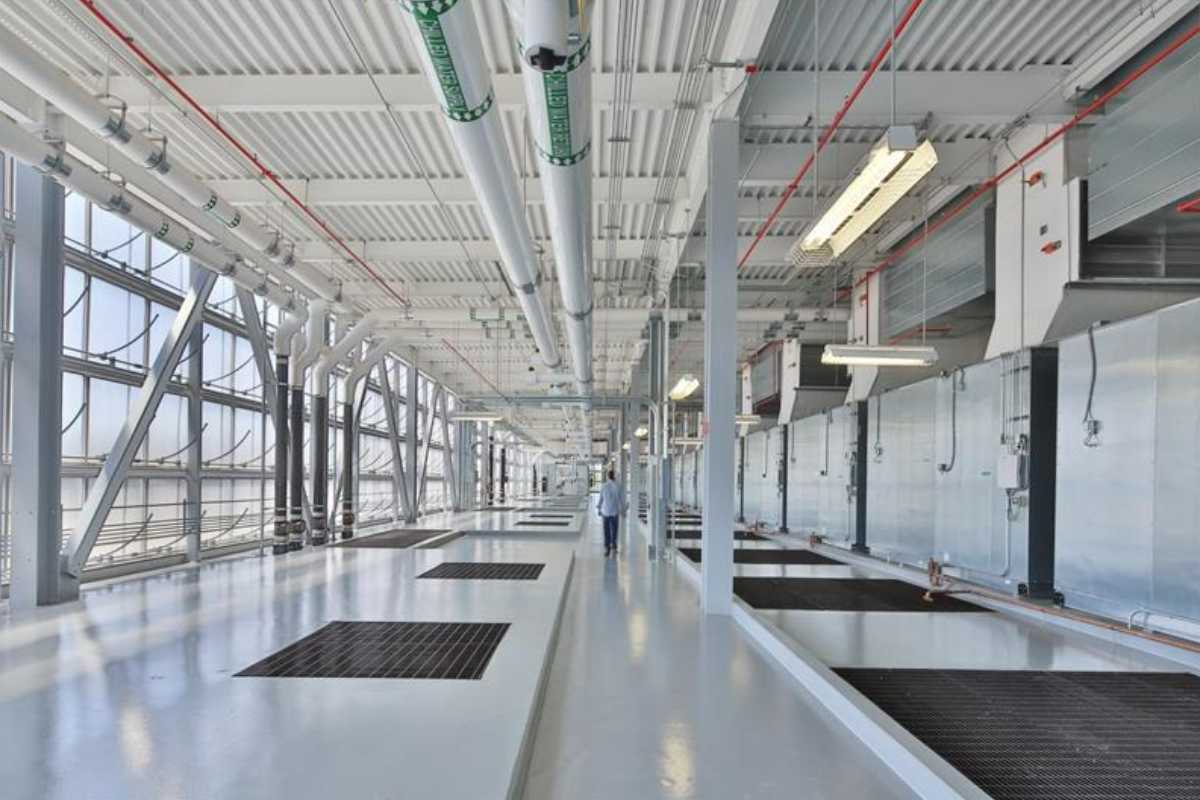
Light can make a space feel calm, energetic, or clinical. Yet in many commercial buildings, daylight arrives as glare, contrast, and heat. Architects are increasingly seeking a different outcome. They want illumination that feels even, comfortable, and visually refined. A translucent wall can deliver that effect by turning harsh sun into a broad, gentle glow.
This approach is not only aesthetic. It is also technical. A well-specified luminous facade can improve visual comfort, support better wayfinding, and create a consistent interior experience across changing weather conditions. The key is understanding how translucent assemblies manage daylight, how they integrate into the envelope, and where they perform best.
Table of Contents
Material Choices That Influence Light Quality and Durability
Direct sunlight is often the enemy of comfort. It produces hotspots, deep shadows, and screen reflections. A translucent assembly diffuses incoming light, so it spreads across a space more evenly. Instead of a bright beam, the interior receives a luminous field. That quality can reduce eye strain and improve perceived brightness without creating harsh contrast.
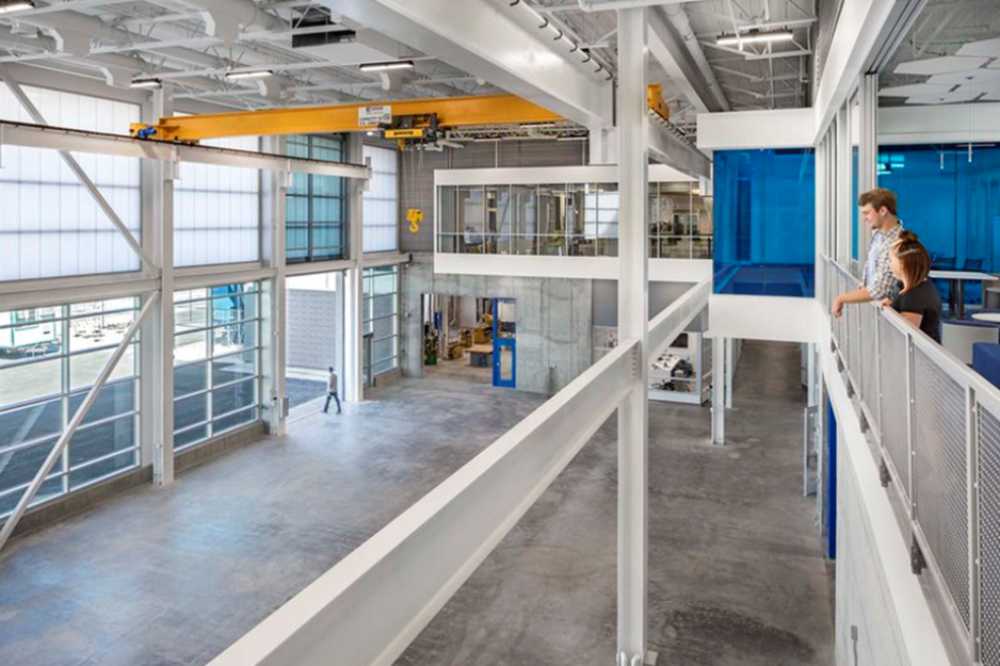
Diffusion is shaped by panel construction, surface texture, and internal cell geometry. These factors determine how light scatters as it passes through the facade. Designers can tune this behavior to fit program needs, such as calmer public lobbies or task-oriented industrial offices.
The result is a more stable visual environment. Spaces feel readable throughout the day. Interiors become less dependent on blinds and interior shading devices. This also preserves design intent, since the facade remains the primary daylight moderator.
Material Choices That Influence Light Quality And Durability
Not all translucent systems perform the same over time. Material selection affects impact resistance, weathering, and long-term clarity. Glass can offer visibility and a crisp appearance, yet it can transmit strong sun patches and may require additional shading strategy. Fiberglass reinforced plastic is common in older daylighting, but it can yellow, chalk, or lose visual consistency with prolonged exposure.
Polycarbonate-based assemblies have become a popular choice for high-traffic and industrial conditions. They offer high toughness, which supports applications exposed to debris, equipment, or severe weather. These systems can also provide excellent diffusion, which is central to creating soft illumination.
Durability must be paired with envelope detailing. Thermal movement, joint design, and water management all influence whether a system stays stable and clean. When these aspects are coordinated early, translucent facades can remain visually consistent and technically sound across a long service life.
Performance Considerationsin Commercial Envelope Design
A translucent facade should be evaluated like any other exterior system. Air and water control layers must be respected. The assembly should integrate with adjacent wall construction, including transitions at slab edges, roof interfaces, and openings. When these connections are designed carefully, the facade can support a reliable envelope strategy.
Thermal behavior also matters. Multiwall systems can provide insulation while still admitting daylight. That can be valuable in climates with temperature swings. Designers should coordinate target performance with comfort expectations, HVAC strategy, and operational schedules.
Maintenance planning is another essential topic. Even the best diffusion system can look poor if cleaning is difficult. Access routes, panel replacement strategy, and hardware inspection should be planned during design development, not after installation. This is especially important for tall elevations or busy entrances.
Architectural Expression and Program Fit
A luminous facade can serve as a signature element. During daylight hours, it can read as a soft, textured surface that complements other cladding materials. At night, it can glow from interior light, becoming a subtle beacon without resorting to signage overload.
Program fit is where translucent systems often shine. Logistics facilities benefit from improved interior visibility in circulation zones. Athletic venues can use diffuse illumination to reduce glare on courts. Education buildings can create calmer corridors and commons. Transit facilities can improve user orientation with light that feels consistent and reassuring.
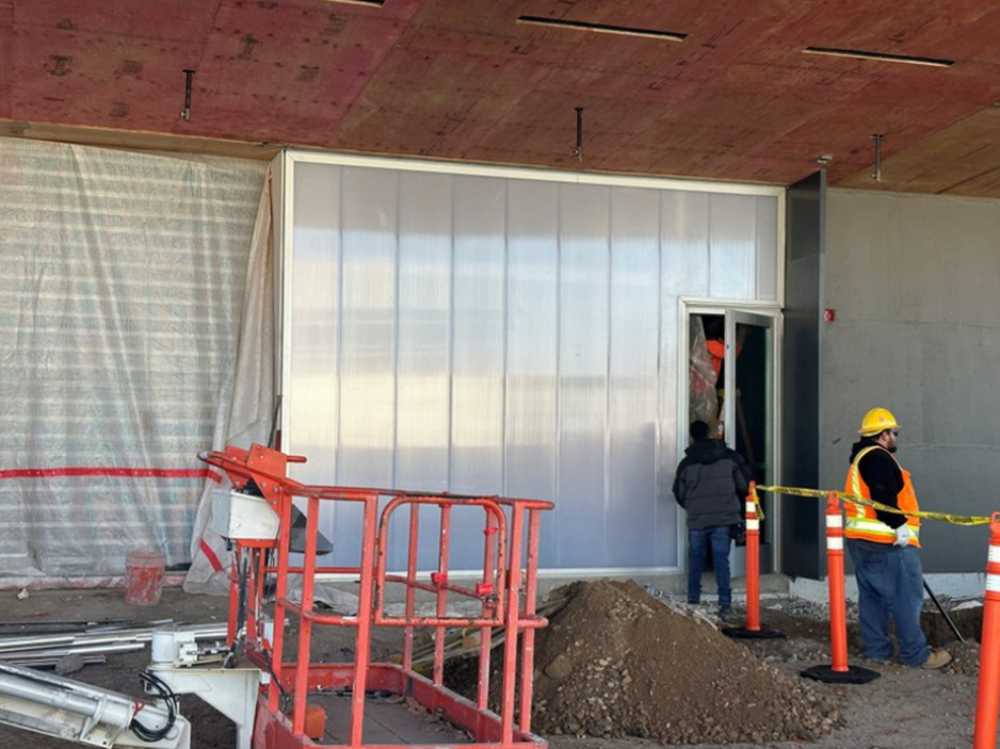
Designers can also use translucency as a privacy tool. A translucent facade admits daylight while obscuring direct views. That makes it useful for perimeter zones that need light, yet do not want full transparency, such as labs, back-of-house areas, and certain clinical support spaces.
Integrating Daylighting With Ventilation and Openings
A translucent facade does not have to be monolithic. Many projects combine luminous panels with operable windows or vents. This can support natural air movement while maintaining the desired light quality. The challenge is coordinating interfaces so operable elements do not compromise envelope continuity.
Window placement should consider glare angles and task locations. Venting strategies should align with code, security, and user control expectations. When openings are planned as part of a unified facade system, teams can achieve comfort benefits without creating a patchwork appearance.
This integrated approach also supports phased renovations. Facilities can replace failing exterior elements while improving daylight quality. The facade becomes a performance upgrade, not merely an aesthetic refresh.
Working With EXTECH on Translucent Wall Design
Specification success depends on expertise and responsiveness. EXTECH supports architects and contractors with engineered daylighting systems designed for commercial and industrial applications. Their translucent wall solutions prioritize customization, constructability, and long-term reliability, with prefabricated assemblies that reduce field complexity.
If you are exploring ways to bring soft, even daylight into a new build or renovation, a partner familiar with envelope integration can help you align light quality with performance requirements.
Also Read: What Businesses Should Know About Commercial Well Use