Electrical Connectors: Importance, Types & Selection Guide
Part of our Home Maintenance & Improvement resource hub.
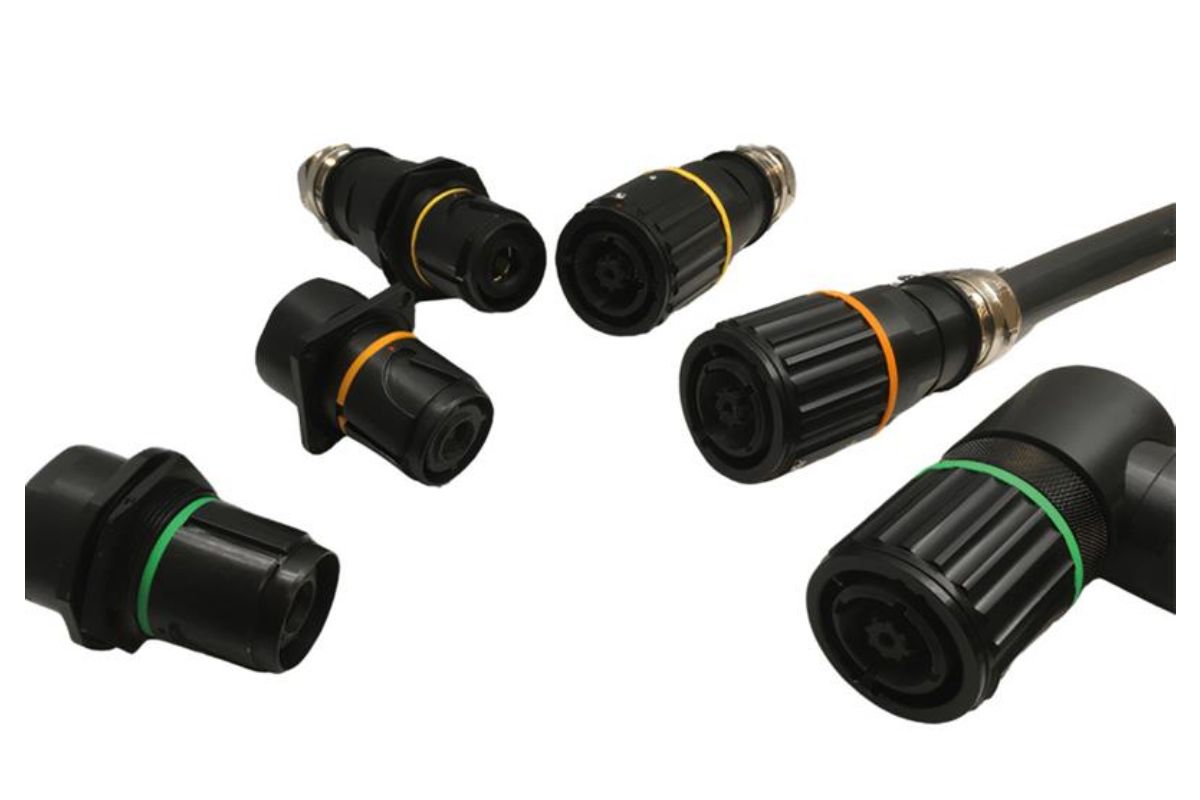
Electrical connectors may seem like minor components, but they play a vital role in ensuring the seamless operation of systems across various industries. From automotive applications to rail, marine, industrial, and aerospace environments, connectors are crucial for reliable power and data transmission. However, the differing demands of these sectors require that connectors are not only high-performing but also incredibly durable and robust in design.
Electrical connectors are the backbone of modern devices and machinery, ensuring secure, stable, and uninterrupted transmission of power and signals. As industries evolve and automation increases, the need for robust connectors that can withstand harsh conditions has become more important than ever. Today’s connectors must be able to handle extreme temperatures, moisture, vibration, and heavy electrical loads without degrading or compromising performance.
In this blog, we delve into some of the most widely used connector types supplied by specialist companies such as LPA Group and explain how the design of the connectors enables them to withstand harsh conditions, ensuring continued functionality and safety in mission-critical applications.
Table of Contents
Why Robust Design Matters
Whether transferring power to a train’s propulsion system or relaying critical sensor data in an aircraft, electrical connectors must remain dependable. Failures can lead to catastrophic consequences ranging from operational downtime to safety hazards. The environments in which these connectors are used often expose them to extreme temperatures, moisture, vibration, mechanical shock, electromagnetic interference (EMI), and corrosive substances. As such, their design must be rugged, secure, and tailored to meet specific environmental challenges.
The automotive industry has also significantly advanced connector technology. With the rise of electric vehicles (EVs), connectors must handle high-voltage currents while ensuring driver safety. Battery connectors, charging systems, sensors, and ECU components all rely on robust, heat-resistant connectors. Waterproof and dustproof connectors (IP67/IP68) are now standard in EVs to protect against moisture and debris.
Key Connector Types and Their Applications
1. Hermetic Connectors
Hermetic connectors are specially sealed to prevent the ingress of gases or liquids, making them ideal for use in environments where contamination can compromise system integrity. These connectors are typically used in aerospace, marine, and industrial applications where pressure differentials or exposure to fluids is a concern.
Applications: Aircraft fuel systems, submarines, vacuum systems, and pressure vessels.
Design Features: Glass-to-metal or ceramic-to-metal seals, corrosion-resistant materials, and high temperature tolerance.
2. Micro-D Connectors
Micro-D connectors are miniature connectors that provide high-density connections in a compact footprint. Despite their small size, they are designed to endure significant mechanical and environmental stress.
Applications: Aerospace avionics, defence electronics, and compact industrial control systems.
Design Features: Shielded contacts for EMI protection, metal shells for added strength, and a secure latching mechanism.
3. PCU High Power Connectors
PCU (Power Connector Units) High Power Connectors are designed to handle large current loads while ensuring minimal resistance and maximum safety. These are essential in electric vehicles (EVs), rail systems, and industrial power distribution.
Applications: EV powertrains, rail propulsion units, and heavy-duty machinery.
Design Features: High-conductivity contacts, heat-resistant housings, locking mechanisms to prevent disconnection under load, and modularity for custom configurations.
4. ARINC 404 Connectors
ARINC 404 connectors are standardised by the aerospace industry and used for avionics packaging. These connectors are designed for use in harsh environments where reliable signal integrity is crucial.
Applications: Commercial and military aircraft, satellites, and ground control systems.
Design Features: Multiple contact arrangements, shielding for EMI, and compatibility with ruggedised rack systems.
5. ARINC 600 Connectors
An evolution of the ARINC 404 standard, ARINC 600 connectors provide higher pin counts and enhanced durability. They are commonly used in next-generation aerospace systems.
Applications: In-flight entertainment, navigation systems, and cockpit avionics.
Design Features: Modular inserts, improved contact retention, EMI shielding, and higher durability under repeated mating cycles.
Sector-Specific Requirements
- Rail: Vibration resistance and flame retardancy are essential. Connectors must also endure prolonged exposure to outdoor conditions.
- Marine: Saltwater corrosion, humidity, and pressure changes necessitate waterproofing and non-corrosive materials.
- Industrial: Must handle electrical noise, dirt, and mechanical abuse in manufacturing environments.
- Aerospace: Lightweight, high-density, and EMI-resistant connectors are key, with a strong emphasis on reliability and compliance with stringent standards.
Materials Used in Industrial Connectors
High-quality connectors are often made using brass, copper, stainless steel, or aluminum alloy for the outer shell. Insulation materials include high-grade plastic and silicone to resist heat and corrosion. Choosing the right material ensures longer lifespan and safety.
Electrical safety and system upkeep are covered in our Complete Home Maintenance & Improvement Guide.
Connector Designs for High-Vibration Environments
Industries like aviation, railways, and heavy machinery require connectors with special locking mechanisms to prevent accidental disconnections. Circular connectors, bayonet locks, and threaded coupling systems provide better stability in harsh environments.
Another major trend shaping the future of electrical connectors is the shift toward miniaturization. As devices become smaller and more compact, connectors must also shrink without sacrificing strength or conductivity. Modern consumer electronics, smart wearables, and IoT devices rely on micro-connectors that can fit into extremely tight spaces while still offering strong performance.
Similarly, in the aerospace and defense sectors, electrical connectors need to meet strict performance standards. Aircraft and military equipment undergo extreme temperature fluctuations, pressure changes, and mechanical stress. Connectors used in such fields undergo extensive testing for durability, insulation resistance, tensile strength, and electromagnetic shielding. Failure of even a single connector can result in serious safety risks, which is why these connectors are engineered with precision and reliability in mind.
Conclusion
In demanding sectors like automotive, rail, marine, industrial, and aerospace, the need for robust electrical connectors cannot be overstated. These connectors must deliver flawless performance under pressure, both literally and figuratively. Whether it’s the hermetic seal of a submarine system or the precision of a Micro-D connector in a satellite, their reliability is central to the safe and efficient operation of critical systems.
Choosing the right connector is not just a matter of electrical compatibility; it’s about ensuring long-term performance in challenging environments. As technologies evolve and systems become more interconnected, the importance of rugged, well-engineered connectors will only continue to grow.
Finally, sustainability and compliance are becoming increasingly important. Manufacturers must ensure their connectors meet global regulations such as RoHS, ensuring products are free from hazardous materials. This makes both manufacturing and disposal safer for the environment.
Overall, robust electrical connectors are essential for ensuring the reliability, safety, and performance of countless modern systems — from heavy machinery to medical devices and EVs. As industries advance, the demand for stronger, smarter, and more durable connectors will only continue to rise.
For comprehensive home maintenance strategies, explore our Home Maintenance Guide.