Sustainable Solutions for Smarter Grounds Care
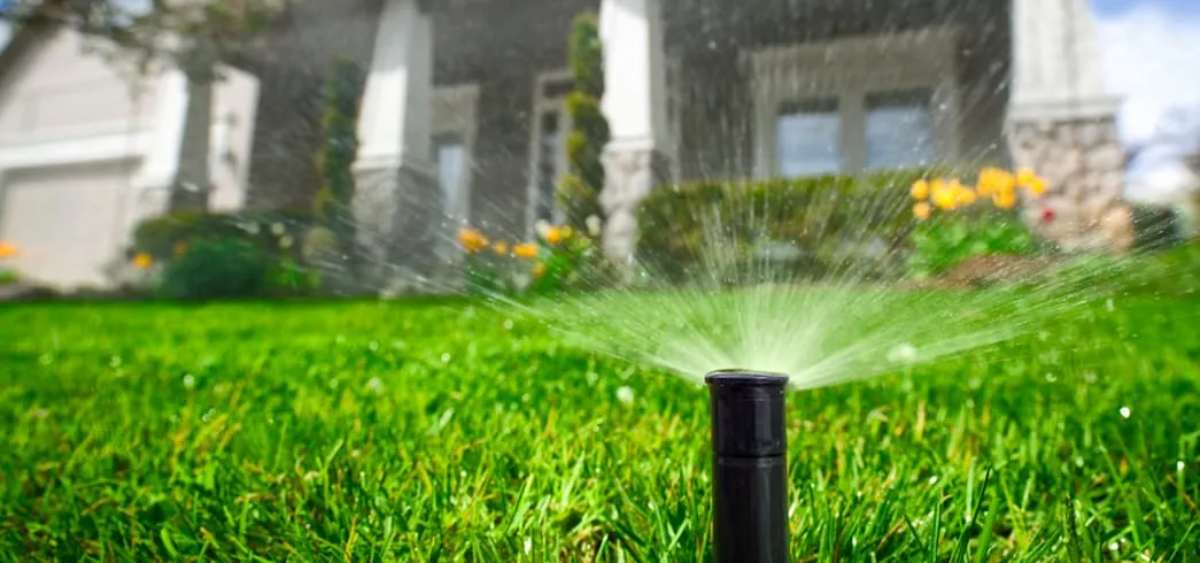
As concerns about climate change, water conservation, and environmental stewardship continue to grow, the demand for sustainable landscaping and grounds care solutions has never been greater. Homeowners, landscapers, and property managers alike are seeking smarter, greener ways to maintain beautiful outdoor spaces while minimizing environmental impact. Fortunately, advances in technology and design are making it easier than ever to care for lawns and landscapes more sustainably.
Table of Contents
1. Electric and Battery-Powered Equipment
One of the most significant shifts in grounds care is the move away from gas-powered equipment in favor of electric and battery-powered alternatives. These tools produce zero emissions during operation, are often quieter, and require less maintenance. Battery-powered trimmers, blowers, and mowers are ideal for residential use and are increasingly being adopted for commercial applications as battery performance improves. This change reduces air pollution and noise pollution in neighborhoods and public spaces.
2. Smart Irrigation Systems
Water is a precious resource, especially in the hotter months, and traditional irrigation methods can be extremely wasteful. Smart irrigation systems use sensors and weather data to deliver just the right amount of water exactly when it is needed. These systems can perceive moisture levels in the soil and adjust watering schedules automatically, helping reduce water waste and lowering utility bills. With smart irrigation, landscapes stay healthy and vibrant without unnecessary resource use.
3. Native and Low-Maintenance Landscaping
Another sustainable trend that is gaining popularity is the use of native plants and xeriscaping—landscaping designed specifically for dry climates. Native plants are adapted to the local environment, meaning that they require less water, fertilizer, and pesticides to thrive. They also support local biodiversity by providing habitat for birds, bees, and butterflies. Incorporating low-maintenance plants and ground covers can substantially reduce the time, cost, and environmental impact of grounds care.
4. Efficient Mowing Practices
Mowing is a central aspect of lawn maintenance, but how it is done can make a big difference. Choosing efficient, environmentally friendly equipment is key. Modern riding mowers offer features like optimized fuel use, electric start, and ergonomic controls to reduce operator fatigue and emissions. Some models even include mulching capabilities, returning nutrients back to the soil, and decreasing the need for chemical fertilizers.
5. Composting and Organic Fertilizers
Instead of relying on synthetic fertilizers, which can harm the environment and contribute to run-off pollution, many are turning to composting and organic soil amendments. Composting grass clippings, leaves, and food waste creates nutrient-rich soil that promotes healthy plant growth. Using compost and natural fertilizers reduces the need for chemical inputs and improves soil structure over time. Using natural fertilizers can also improve the health of local pollinators and wildlife.
6. Rainwater Harvesting and Water Reuse Systems
As sustainable landscaping evolves, rainwater harvesting has become a valuable practice for reducing outdoor water use. Homeowners and commercial properties are installing rain barrels, underground tanks, and gutter-diverted systems to collect rainwater, which can later be used for irrigation.
This method significantly reduces reliance on municipal water supplies and helps conserve clean drinking water. Additionally, harvested rainwater is naturally free of chemicals like chlorine, making it healthier for plants. In areas with frequent rainfall, combining harvesting with drip irrigation allows properties to maintain lush landscapes with minimal water waste.
Water reuse systems—such as collecting graywater from sinks, laundry, or showers—are also gaining traction. These solutions close the loop on water usage, making landscapes more resilient during droughts or watering restrictions.
7. Permeable Pavements and Eco-Friendly Hardscaping
Hardscaping often gets overlooked in sustainability discussions, but the materials used in walkways, patios, and driveways can significantly impact local ecosystems. Permeable pavements allow rainwater to soak into the soil rather than run off into storm drains, helping replenish groundwater and reduce erosion.
Eco-friendly hardscape options include:
-
Permeable concrete
-
Gravel pathways
-
Natural stone pavers
-
Recycled rubber tiles
-
Porous asphalt
Not only do these materials lower environmental impact, they also help prevent flooding during heavy rainfall and reduce the urban heat island effect common in paved areas.
8. Robotic Lawn Mowers and Automation
Automation is revolutionizing sustainable lawn care. Robotic lawn mowers—powered by rechargeable batteries—cut grass efficiently, quietly, and with minimal energy use. They also trim small amounts frequently, promoting healthier lawn growth and reducing the need for fertilizers.
Advancements in automation include:
-
GPS-guided mowing
-
Solar-powered charging stations
-
Mobile app scheduling
-
Auto-return docking
These devices produce lower emissions compared to gas-powered machines and free up time for homeowners and groundskeepers. Combined with smart irrigation, robotic mowers contribute to a fully automated, eco-friendly landscape management system.
9. Pollinator-Friendly Practices
Sustainable landscaping supports local ecosystems, and one of the best ways to do this is by creating pollinator-friendly spaces. Bees, butterflies, and birds play a critical role in plant reproduction, but their populations are declining worldwide.
Landscapes can become pollinator havens by incorporating:
-
Flowering native plants
-
Milkweed for monarch butterflies
-
Herbs like lavender, mint, and rosemary
-
Pollinator gardens
-
Reduced pesticide use
-
Bee baths or water stations
These small additions help maintain biodiversity and contribute to the health of local food chains. Pollinator-friendly gardens also create vibrant, colorful landscapes with year-round visual appeal.
10. Sustainable Mulching and Soil Management
Healthy soil is the foundation of sustainable grounds care. Mulching is a simple yet powerful practice that retains soil moisture, controls weeds, and regulates soil temperature.
Eco-conscious landscapers favor:
-
Wood chips
-
Leaf mulch
-
Straw
-
Bark mulch
-
Grass clippings
These materials decompose naturally and add organic matter back into the soil. Enhancing soil health over time reduces the need for chemical treatments and improves water retention, creating a more resilient landscape.
Conclusion
Sustainable landscaping and grounds care are no longer just optional trends — they are essential practices for protecting our environment and ensuring long-term outdoor health. As technology advances and awareness grows, homeowners and professionals have more opportunities than ever to make responsible choices. From electric equipment and smart irrigation to native plants and organic soil care, each step toward sustainability creates a positive ripple effect. These practices not only reduce resource consumption and environmental impact but also enhance the beauty, resilience, and value of outdoor spaces. By choosing greener solutions today, we lay the groundwork for healthier landscapes and a more sustainable future for generations to come.