Maximizing Sanitation Efficiency Using Clean-Out-Of-Place (COP) Tanks
Sanitation drives product quality in every food and beverage processing facility, and the right equipment determines how well you meet that standard. COP tanks deliver a systematic approach to cleaning disassembled parts, utensils, and small components that cannot be cleaned in place. For dairy, cheese, and food processors, the right COP tanks mean faster turnaround, stronger compliance, and less manual labor.
Understanding where COP tanks fit in your sanitation program lets you deploy them more strategically across your plant. Modern COP tanks combine heated solution, turbulation, and chemical action to remove soil more thoroughly than hand washing. The result is a repeatable, auditable process that reduces contamination risk and supports regulatory compliance on every shift.
Table of Contents
What Are COP Tanks?
Clean-Out-Of-Place or COP tanks are stainless steel cleaning vessels that sanitize removable equipment parts by submerging them in a heated, agitated solution. Unlike CIP systems, which clean equipment without disassembly, COP tanks handle components that must come off the line for thorough cleaning. You load the parts, and the combination of heat, chemistry, and turbulation handles the rest.
How COP Tanks Improve Sanitation Efficiency in Food Processing
COP tanks eliminate the inconsistency of manual part washing by standardizing the cleaning process across every shift. You get the same heat levels, chemical concentrations, and turbulation time every cycle, regardless of who operates the equipment. Repeatability is what separates a compliant sanitation program from one that depends on individual effort.
Facilities switching to COP tanks typically reduce cleaning time significantly compared to hand washing methods. Heated solution and mechanical agitation work together to break down proteins, fats, and soils faster than scrubbing alone. Your team spends less time at the sink and more time on production.
Regulatory auditors look for documented, repeatable processes when evaluating your sanitation program. COP tanks give you a verifiable cleaning method with consistent parameters you can record and defend. Strong documentation supports 3-A and USDA compliance standards and holds up under scrutiny.
Transitioning to COP tanks also reduces physical strain on your sanitation crew. Repetitive hand scrubbing of heavy parts and gaskets contributes to fatigue and inconsistent results over a long shift.
Key Features To Look for in a COP Tank System
Not every COP tank is built the same, and the features you prioritize directly affect cleaning performance, uptime, and long-term value. Whether you run a small dairy operation or a large-scale food processing facility, understanding what separates a quality COP tank from a basic one helps you make a smarter investment. The following features are the most important ones to evaluate before you buy.
1. Stainless Steel Construction
Food-grade stainless steel is the standard material for COP tanks in sanitary processing environments. Grades 304 and 316 resist corrosion from cleaning chemicals and repeated thermal cycling, extending the service life of your equipment. Furthermore, stainless construction meets 3-A sanitary standards and holds up under daily high-temperature cleaning cycles.
2. Turbulation System
Effective turbulation drives soil removal beyond what heat and chemistry alone can achieve. Pump-driven agitation keeps solution moving consistently around every surface of the parts you are cleaning. A well-designed turbulation system reaches into tight geometries and recessed areas that static soaking cannot address.
3. Heated Solution Control
Precise temperature control ensures your cleaning solution stays within the optimal range for the chemistry you use. Without reliable heat maintenance, solution temperature drops during long cleaning cycles and reduces cleaning performance. Look for tanks with thermostatically controlled heating elements and clear temperature displays so operators can monitor performance in real time.
4. Tank Sizing and Capacity
Choosing the right tank size for your parts volume prevents bottlenecks in your sanitation workflow. A tank that is too small forces multiple cleaning cycles per shift, adding time and labor to your program. Oversized tanks waste chemical solution and energy on cycles that do not require full capacity.
5. Drain and Accessibility Features
Easy drainage and accessible interiors reduce the time your crew spends on tank maintenance and solution changes. Tanks with sloped bottoms, bottom-mounted drain valves, and removable baskets make daily cleaning and solution turnover straightforward. Well-designed accessibility features also support internal sanitation audits and third-party inspections.
Integrating COP Tanks Into Your Sanitation Program
Adding COP tanks to your facility requires deliberate planning around your existing workflow to get full value from the investment. You need to identify which parts and components require disassembly for cleaning and confirm COP tanks are the right solution for each one. Starting with a clear parts inventory prevents gaps in your sanitation coverage and avoids redundancy with your CIP systems.
Chemical selection plays a major role in how well your COP tanks perform across different soil types. Alkaline cleaners work well for protein and fat removal, while acid-based chemistries address mineral deposits and scale. Working with your chemical supplier to match solution chemistry to your specific soils gives you better results and protects your equipment.
Operator training determines whether your COP tank program delivers consistent results shift after shift. Your team needs to understand correct loading procedures, solution concentration, temperature targets, and cycle times for each part type. Furthermore, documented standard operating procedures tied directly to your COP tank program give supervisors a clear benchmark for performance.
Scheduling COP tank cycles around your production schedule minimizes downtime and keeps parts available when your line needs them. Many facilities run COP cycles during shift changes or scheduled breaks to avoid disrupting production flow. A well-timed schedule also reduces chemical waste and extends solution life between changeouts.
When To Use COP Tanks vs. CIP Systems
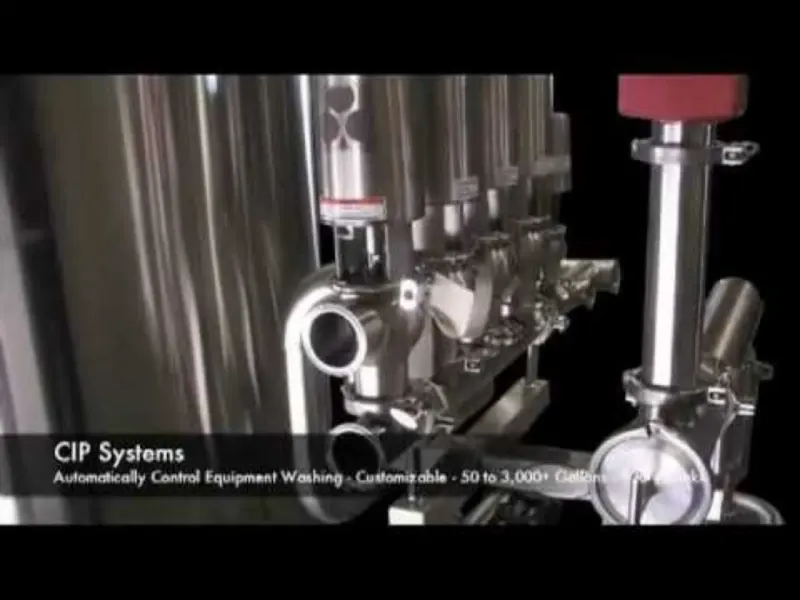
COP and CIP systems serve different purposes, and understanding the distinction helps you build a sanitation program with no blind spots. CIP systems clean equipment in place without disassembly, making them ideal for tanks, pipelines, and other fixed infrastructure. COP tanks handle the removable components that come off your line, filling the gap CIP systems cannot address.
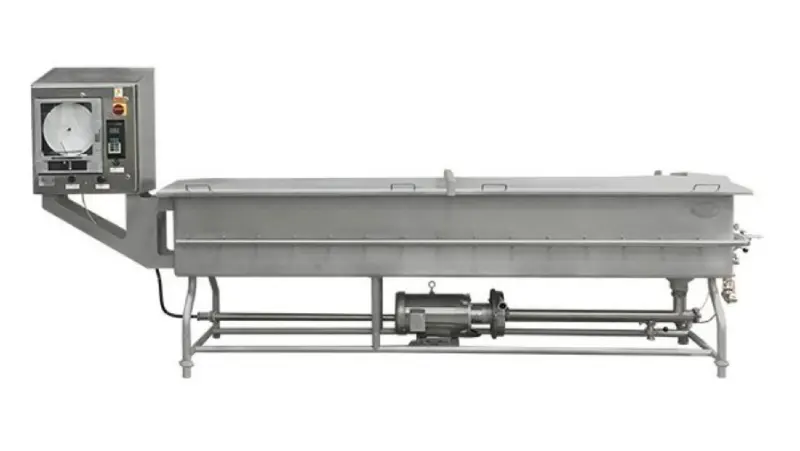
Parts like gaskets, fittings, small valves, and disassembled pump components are natural candidates for COP tank cleaning. Hand washing works for some items, but it introduces variability and relies heavily on operator diligence. Moreover, manual cleaning lacks the documentation COP tanks provide for regulatory audits.
Some facilities rely solely on CIP systems and assume all cleaning needs are covered. Every processing line generates removable parts that accumulate soil and require dedicated attention outside the fixed system. Identifying those parts and routing them to a COP tank closes a common gap in food safety programs. A combined CIP and COP approach gives you coverage across both fixed and removable equipment.
CIP handles your fixed infrastructure on a scheduled basis while COP tanks manage removable components daily. Together, both systems give you comprehensive sanitation coverage across your entire operation.
Take Your Sanitation Program to the Next Level With COP Tanks
Investing in the right COP tanks transforms your sanitation program from a reactive process into a reliable, documented system. You get repeatable cleaning results, stronger compliance, and a workflow that supports your team rather than slowing it down. COP tanks fill a critical role by handling the removable components that keep your line running safely and efficiently.
Building a complete sanitation program means understanding every tool at your disposal and deploying each one where it performs best. When your sanitation strategy is airtight, your facility is better positioned to meet audits, protect product quality, and scale with confidence. Contact the Koss Industrial team today to find the right COP tank solution for your facility.
Also Read: Why Time Sensitive Delivery Requires Specialized Transportation Partners