Prototyping in Product Development: Key Benefits & Process
This topic is covered in detail in our Business Operations Optimization Guide.
In modern manufacturing and product development environments, prototyping plays a crucial role in driving innovation, efficiency, and quality improvement. The primary purpose of prototyping is to design and validate products that enhance how manufacturing is performed. A newly designed machine, component, or system may increase production speed, handle higher volumes, eliminate errors found in previous models, reduce waste, or introduce entirely new functionality. When done correctly, prototyping streamlines processes, reduces production risks, and significantly shortens time to market.
Rather than committing large investments to full-scale production prematurely, businesses use prototyping as a controlled, strategic approach to experimentation and validation. This ensures that only well-tested, optimized designs move forward into mass manufacturing.
The purpose of prototyping is to design a product that will improve the way manufacturing is done. A new machine may be faster, produce higher volumes, eliminate errors of previous models, or have added functionality. This will streamline processes and speed up production time.
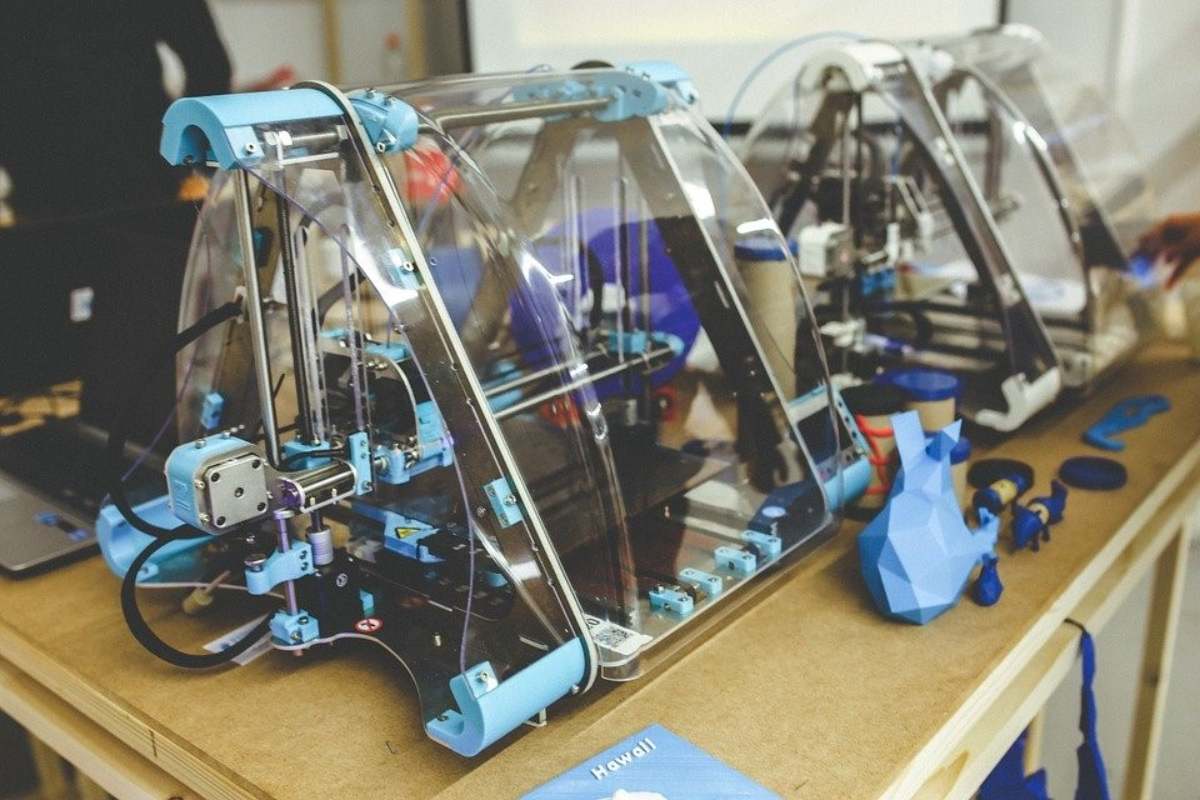
Table of Contents
What Is Prototyping?
When a manufacturer hits upon the idea of a new way to improve machinery for production, they do not immediately go out and start producing the new model. First, they design it on paper or with digital tools in 3D. Then they generate a physical model of the digital form, as is done by a 3D printer. This is then tested to see if it is what was intended by the original design. It is used in a demo to see that it works in practice. Then it is evaluated for possible improvements and may be tweaked. Finally, a model is produced that can be verified as satisfactory.
The prototype is the first or original model. But first, it has to be designed and assessed so that it meets the requirements of the company that will be utilizing the upgrade, new part, or machine. It will be used as the ‘cookie cutter’ for the actual design, but only once it has been approved and created in its final form as the prototype.
The prototype represents the first validated version of the product. However, it only becomes the template—or “cookie cutter”—for mass production once it has been thoroughly reviewed, approved, and finalized. At this stage, the prototype serves as a benchmark for quality, performance, and manufacturing consistency.
Product lifecycle operations are discussed in our Business Operations Guide.
The Steps of the Prototyping Process
Prototyping is a process; it is not simply producing a mold. There are several steps to prototyping. The development company that will create the prototype needs to meet or liaise with its client to determine exactly what is required. The developer will want to know the raw inputs or materials that should be used and the specifications that are desired. Additionally, its purpose and how it will fit into existing machinery are important.
1. Requirement Gathering and Consultation
The process begins with in-depth discussions between the client and the development company responsible for creating the prototype. During this phase, key requirements are defined, including:
- Functional objectives of the product
- Materials and raw inputs to be used
- Technical specifications and tolerances
- Integration with existing machinery or systems
- Regulatory, safety, or compliance requirements
Clear communication at this stage is critical, as misunderstandings can lead to costly redesigns later in the process.
2. Initial Design and Digital Modeling
Once requirements are established, engineers create detailed digital models using CAD tools. These designs allow teams to simulate performance, identify potential design flaws, and refine dimensions.
Once the developer has all the requisite information, the initial prototype can be designed. This is created as a physical item. The right machining services will ensure a good product. See CNC Precision Machining for more information.
The end-users need to be involved in this step along with the client. They must establish if the initial prototype does indeed meet their requirements. Changes are made according to this feedback and another copy of the prototype is produced.
This will be revised until it is perfect and may require the previous step to be repeated many times. Only then is the final prototype produced.
Why Is Prototyping Important?
There are several benefits to prototyping. Before launching a new product, the costs can be calculated, and the risks identified. It may be necessary to scrap an idea and go back to the drawing board.
Instead of getting attached to an idea, feedback sessions between demonstrations of earlier prototypes enable users to determine what is actually the best version. This saves on costs of going ahead with an inferior product.
The product can be tested in use. This will help the developer identify less visible problems, such as the way users interact with the item. Participants become committed to the outcome. Their emotional investment will contribute to the success of the final product. Once the prototype has been accepted, it can be mass-produced. If this was done before testing, it may have had to be recalled.
Prototyping is one aspect in a whole process of quality and/or production improvement.
For more operational efficiency strategies, explore our Business Operations Optimization Guide.