Smart Home Design for Modern Melbourne Living: Key Benefits
This is part of our Complete Home Maintenance & Improvement Guide.
Melbourne’s weather—famous for delivering four seasons in a single day—demands homes that can adapt effortlessly. Smart home design now includes climate-responsive features such as high-performance glazing, automated blinds, and insulated building materials that regulate interior environments naturally. Homes that can adjust to fluctuating temperatures help residents stay comfortable while minimizing energy consumption.
Designers are also incorporating outdoor living solutions suited to Melbourne’s unpredictable climate. Covered alfresco zones, retractable roofs, and weather-resistant materials allow families to enjoy their outdoor spaces year-round, regardless of sudden weather changes. This ensures that the home remains functional and enjoyable in all seasons, aligning with Melbourne’s appreciation for social gatherings and relaxed outdoor living.
Table of Contents
Material Innovation and Modern Aesthetics
Another growing trend in Melbourne’s smarter homes is the use of innovative and sustainable materials. Engineered timber, recycled brick, low-VOC paints, and thermally efficient cladding not only support environmental goals but also contribute to a modern, refined aesthetic. These materials help create homes that feel contemporary yet warm, sleek without being sterile.
Textured finishes, natural stone, and mixed metal accents are also becoming central to Melbourne luxury homes. Combined with clever lighting design, these materials elevate the visual appeal of a space while enhancing durability and reducing maintenance needs. This perfect blend of style and practicality highlights why material selection is a cornerstone of smarter home design.
Adapting to the Melbourne Lifestyle
Melbourne’s unique blend of urban sophistication and suburban charm sets it apart from other Australian cities. A smart home in this context isn’t just about gadgets — it’s about how architecture and layout support the day-to-day realities of contemporary living.
From open-plan layouts that enhance family connection, to seamless indoor-outdoor transitions perfect for the city’s love of entertaining, smarter home designs offer more than visual appeal. They reflect a deep understanding of how space influences wellbeing, interaction, and personal expression. This is particularly significant in areas where land size may be limited, requiring efficient use of every square metre.
The Rise of Sustainable Design
One of the most critical shifts in modern architecture is the focus on sustainability. Melbourne’s homeowners are increasingly conscious of their environmental footprint, and smart design offers tangible solutions. Passive design principles — like optimising thermal mass, cross ventilation, and orientation — not only reduce energy consumption but also improve year-round comfort.
Coupled with energy-efficient appliances, solar panels, and water-saving systems, these elements are no longer ‘nice to haves’ but expected inclusions in new builds and renovations. Builders and designers are now challenged to weave these eco-conscious choices seamlessly into the aesthetics of the home, without compromising style or functionality.
Technology Integration and Future-Proofing
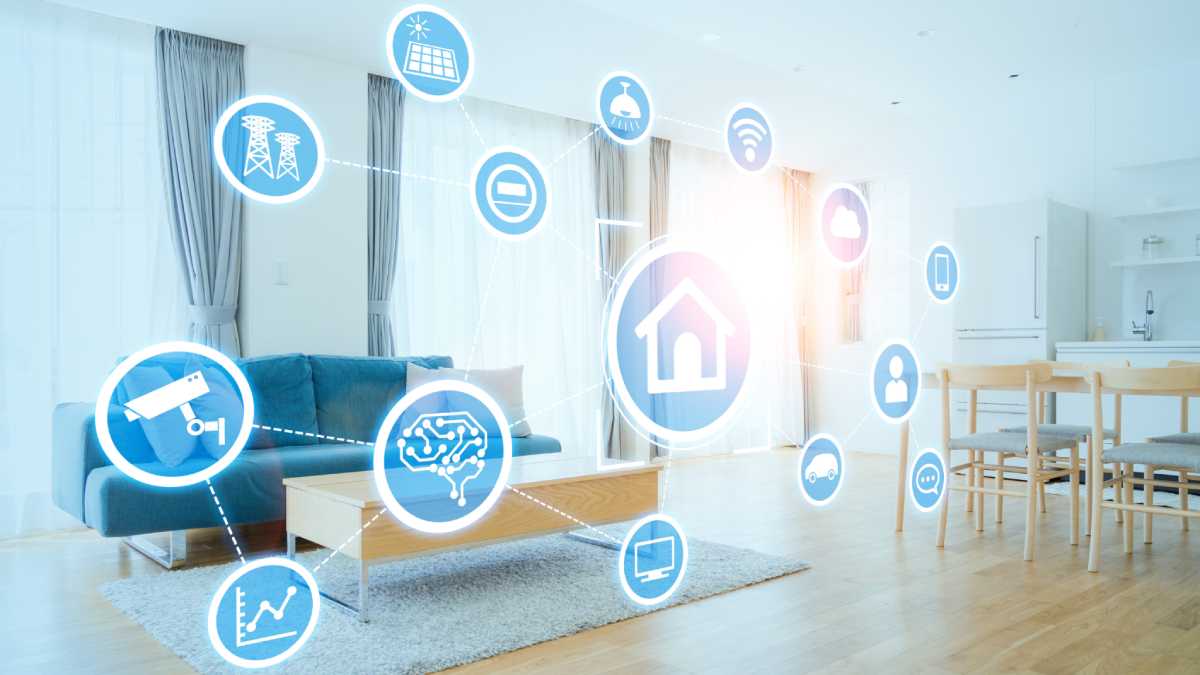
Another hallmark of smarter home design is the seamless integration of home automation systems. From controlling lighting and climate to enhancing security and entertainment, smart home technology empowers residents to manage their environment more efficiently.
For Melbourne’s tech-savvy population, this goes beyond convenience. It’s about future-proofing. With the rapid pace of technological innovation, designing homes that are adaptable to future upgrades is essential. This might involve modular infrastructure or flexible floor plans that can evolve with a family’s needs.

Smarter layouts and efficient upgrades align with our Home Maintenance Guide.
Zoning and Multi-Functional Spaces
The traditional home layout — rigidly divided into living, dining, and sleeping zones — is being replaced with multi-functional areas that cater to dynamic lifestyles. Remote work, hybrid schooling, and the growing emphasis on wellbeing spaces (like home gyms and meditation rooms) have shifted how spaces are conceived.
Smarter home design addresses this by creating rooms that can transition in purpose with ease, often using sliding partitions, movable furniture, or clever joinery. It’s a concept that aligns beautifully with Melbourne’s diverse cultural influences and progressive attitudes toward living arrangements.
Design That Reflects Individual Identity
Today’s homeowners want more than just function — they want personality. Customisation is a cornerstone of smarter design, allowing individuals to infuse their spaces with meaning and style. This might take shape in bespoke kitchens, curated material palettes, or architectural features that reflect a homeowner’s values and aesthetic preferences.
Melbourne’s design-forward culture encourages such experimentation. Architectural styles range from bold minimalism to warm organic modernism, and smart design principles provide the canvas for homeowners to express themselves while still meeting practical needs.
Neighbourhood-Centric Design Principles
Melbourne is a city of distinct neighbourhoods, each with its own personality—from the leafy calm of Hawthorn to the artistic vibrancy of Fitzroy and the contemporary coastal spirit of Brighton. Smarter home design takes cues from these surroundings, ensuring homes complement the lifestyle and aesthetic of the area.
For example:
-
Inner-city homes are now incorporating compact, efficient layouts with vertical space optimisation.
-
Suburban homes often focus on family-friendly zoning, larger kitchens, and increased storage.
-
Coastal and bayside homes prioritise ventilation, corrosion-resistant materials, and expansive windows that maximise natural light.
This neighbourhood-aware approach ensures that each home feels connected to its environment, reinforcing Melbourne’s identity as a city where architecture and culture coexist seamlessly.
Building Smarter from the Ground Up
Ultimately, achieving a smarter home begins with choosing the right builder — one that not only understands modern design principles but also has a track record of delivering homes that reflect quality, innovation, and the Melbourne way of life. That’s why discerning homeowners often look to trusted professionals like Englehart home builders in Melbourne who specialise in merging architectural excellence with the latest in smart living.
Shaped by Lifestyle Trends
Modern living in Melbourne is multifaceted — shaped by lifestyle trends, environmental considerations, and technological advancements. Smarter home designs are no longer a luxury; they’re a necessity for those wanting a home that will serve them well into the future. Whether it’s about sustainability, adaptability, or personalisation, the future of home design lies in innovation and intentionality — principles that are shaping the new standard for residential living in this vibrant city.
Wellbeing-Centric Home Environments
Health and wellbeing have become integral to modern living, influencing everything from layout to material choice. Smarter home designs now incorporate elements such as:
-
Dedicated wellness spaces, like mini-gyms or yoga rooms
-
Biophilic design, using natural light, indoor plants, and organic materials
-
Improved acoustics that reduce noise pollution
-
Air purification and advanced ventilation systems to promote healthier indoor environments
These design choices reflect a deeper understanding of how living spaces impact mental and physical health—an increasingly important theme among Melbourne homeowners.
Explore our complete Complete Home Maintenance & Improvement Guide for future-ready homes.