Inventory Management Solutions: Key Benefits & Features
This article is part of our Business Operations Guide. For comprehensive coverage of supply chain management, inventory optimization, and scalable business operations, see our complete guide.
In the ever-changing realm of commerce—where precision, efficiency, and adaptability reign supreme—inventory management stands as a critical pillar of business success. Whether you are a small business owner managing limited stock or a large enterprise coordinating thousands of SKUs across multiple locations, the way you handle inventory can directly influence profitability, customer satisfaction, and long-term growth.
In today’s digital transformation era, implementing the best inventory management solution has evolved from a simple operational upgrade into a strategic necessity. Modern inventory systems do more than track stock—they provide actionable insights, automation, and integration capabilities that help businesses remain competitive in fast-moving markets. This guide explores why adopting a cutting-edge inventory management system is essential, how it unlocks efficiency, reduces costs, and positions your business for sustainable growth.
Table of Contents
Optimized Processes
The top-tier inventory management system offers advanced features including:
- Real-time monitoring
- Streamlined order fulfillment processes
- Automated stock replenishment
By automating routine tasks and centralizing inventory data, businesses can eliminate manual errors, minimize stockouts, and elevate overall operational efficiency. Besides, balancing inventory levels is a delicate art that can profoundly impact a company’s bottom line. With demanding planning tools and sophisticated forecasting algorithms, the best inventory management solutions assist businesses in optimizing their inventory levels, lessening carrying costs, and ensuring that the products are typically available and needed.
Improved Visibility
Elevated visibility in inventory management implies the enhanced ability of businesses to monitor, track, and understand the movement and status of their inventory in the entire supply. It involves access to detailed and real-time information about inventory locations, levels, and movements across various supply chain stages, from procurement to distribution. This improved visibility enables businesses to:
- Track inventory in real-time.
- Pinpoints delays and bottlenecks
- Optimize inventory levels
- Enhance previous fulfillment
- Boost collaboration with suppliers and partners
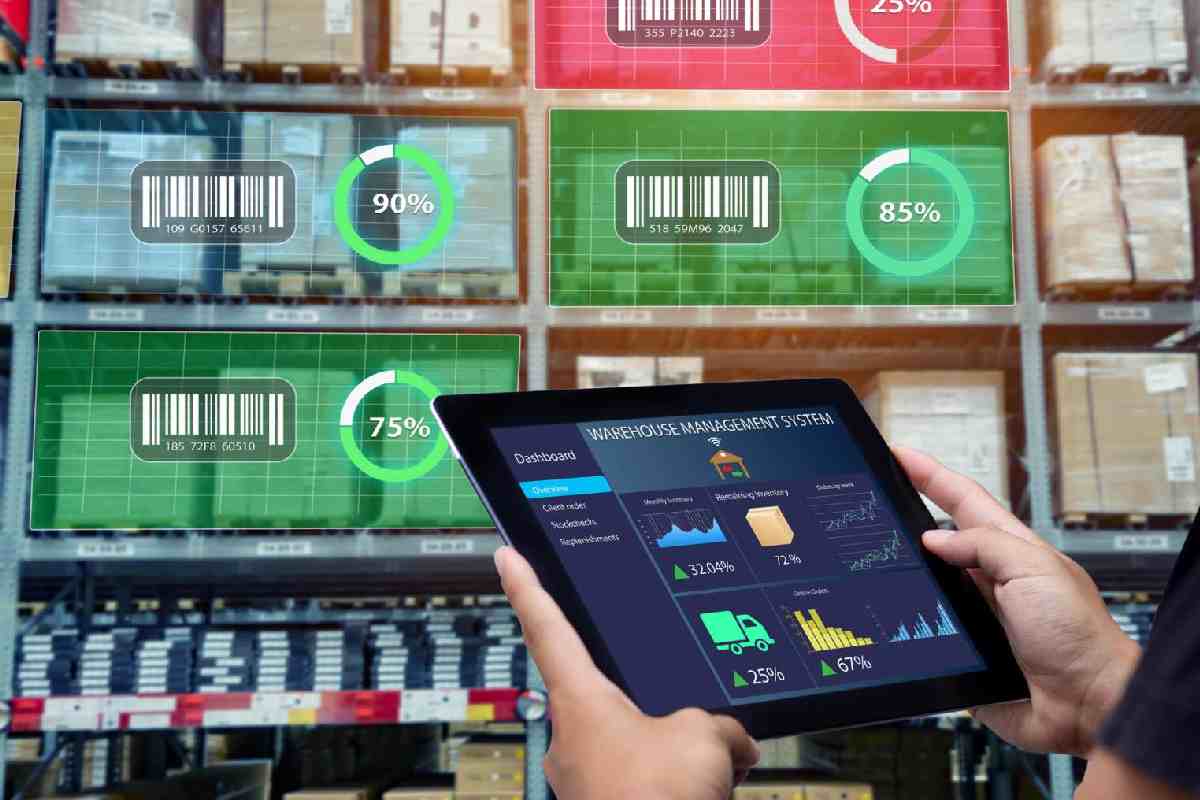
Real-time dashboards and analytics provide immediate insights into stock performance, enabling faster response to demand changes or supply disruptions. This transparency reduces uncertainty, improves planning, and helps businesses make proactive decisions rather than reactive ones.
Enhanced Customer Satisfaction
Enhanced customer satisfaction in inventory management implies the ability of companies or companies to exceed customer expectations, available product shipping speed, and order accuracy. When businesses effectively manage their inventory, they can positively impact customer satisfaction in several ways, including:
- Accurate stock availability
- Swift order fulfillment
- Order Accuracy
- Clear communication
- Flexible shipment options
When customers consistently receive the right products on time, their confidence in the brand grows. This reliability leads to repeat purchases, positive reviews, and stronger long-term relationships. End‑to‑end inventory workflows that support these outcomes are covered in detail in our Business Operations Guide.
Cost Savings
Cost savings in inventory management refers to reducing expenses associated with storage, management, and inventory replenishment while maintaining or elevating operational efficiency. Implementing practical inventory management practices can result in significant savings for businesses in various ways. These include:
- Optimized inventory levels
- Minimized holding costs
- Lowered obsolescence costs
- Enhanced supplier relationship
- Lessened labor costs
- prevention of theft and shrinkage
By prioritizing cost-effective inventory management solutions, your business can achieve significant savings in holding costs, obsolescence costs, and labor costs, among other related expenses, ultimately enhancing profitability and competitiveness in the market.
Integration Capabilities
To streamline operations or maximize efficiency, businesses need inventory management solutions that incorporate effortlessly with other business systems, such as CRM, ERP, and E-commerce platforms. The best inventory management solutions provide robust incorporation capabilities, allowing businesses to centralize data, eliminate silos, and automate workflows across the organizations. Inventing the top-rated inventory management system is about more than just staying competitive. It regards future-proofing your business for long-term success.
Companies can gain a strategic advantage in the dynamic marketplace by unlocking efficiency, optimizing inventory levels, elevating visibility, realizing cost savings, enhancing customer satisfaction, and leveraging incorporation capabilities. The time to implement the best inventory management solutions is now.
When inventory data flows smoothly between systems, businesses gain a single source of truth. This integration supports better forecasting, faster decision-making, and a more cohesive operational strategy. Investing in a top-rated inventory management system is not just about staying competitive today—it is about future-proofing your business for long-term success.
Final Thoughts
In a dynamic and increasingly competitive marketplace, inventory management plays a vital strategic role. By unlocking efficiency, optimizing stock levels, improving visibility, reducing costs, enhancing customer satisfaction, and leveraging seamless integrations, businesses can gain a decisive advantage.
The time to implement the best inventory management solution is now. Organizations that act proactively will be better equipped to adapt to market changes, scale operations, and deliver consistent value to customers.
For more operational efficiency strategies and detailed frameworks, explore our complete Business Operations Optimization Guide.