The Ultimate Guide to Product Photography Types
This article is part of our Business Operations Guide. For comprehensive coverage of marketing operations, brand processes, content workflows, and business growth strategies, see our complete guide.
Product photography isn’t just about taking a nice picture—it’s about telling a visual story that sells. In today’s digital marketplace, customers cannot touch or feel your product. Your images do that job for them. That means every photo you publish should have a purpose, a style, and a clear intention behind it.
This guide breaks down the most important types of product photos, when to use them, and how each one influences buyer behavior. Subheadings, structured points, and image examples (Image 1, Image 2, Image 3) are included to help you create a visually rich article that keeps users engaged.
Table of Contents
1. Studio Product Photography (Clean Background Shots)
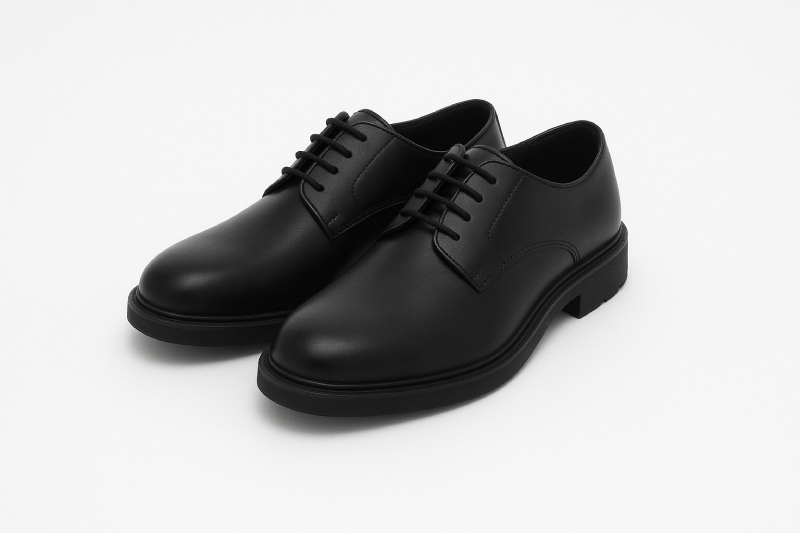
Studio product photos are the backbone of every eCommerce listing. These images feature your product on a plain, distraction-free background—usually white, light grey, or pastel tones.
These are the images that appear on:
-
Amazon product pages
-
Shopify store product listings
-
Catalogs and brochures
-
Google Shopping ads
Why Studio Photos Matter
-
They highlight the true colors and shape of the product
-
They eliminate unnecessary distractions
-
They maintain visual consistency across your listings
-
They load quickly and look professional
Best For
-
Fashion accessories
-
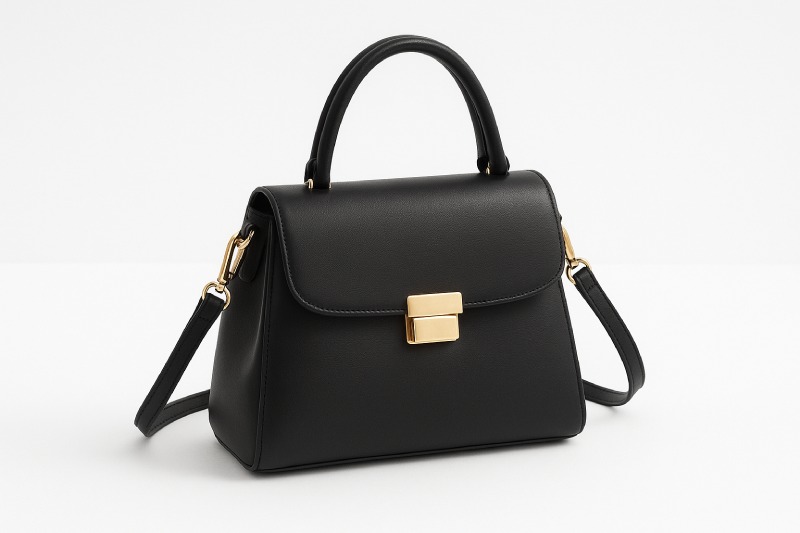
Shoes and bags
-
Electronics
-
Beauty and skincare products
-
Packaged goods
2. Lifestyle Product Photography (Real-World Usage)
Lifestyle photos place your product in a realistic environment—showing how it looks and feels in everyday life. This type of photography is essential for brand storytelling, social media, and for helping customers visualize themselves using the product.
Lifestyle images typically appear on:
-
Instagram and Facebook ads
-
Product detail pages
-
Blog content
-
Landing pages
-
Lookbooks
Why Lifestyle Photos Matter
-
They add emotional connection to the product
-
They help buyers imagine using the item
-
They make your content more relatable and human
-
They increase time spent on product pages
Best For
-
Clothing and accessories
-
Fitness gear
-
Home decor
-
Kitchen tools
-
Beauty and lifestyle brand
3. Close-Up / Macro Photography (Detail-Focused Shots)
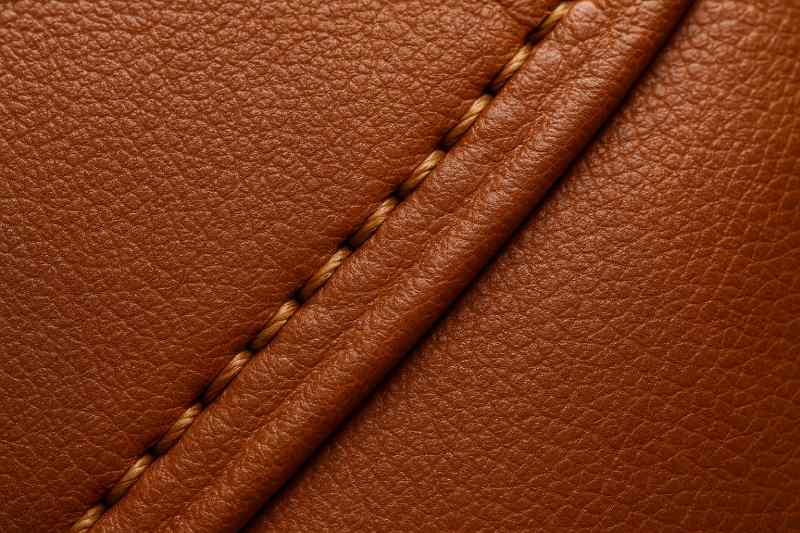
Detail shots zoom in to reveal the craftsmanship, material, stitching, texture, or small features that are not visible in a standard photo. These shots are important for building trust and showing quality.
Macro photos are especially powerful because customers can’t physically touch the product—but this gives them confidence in what they’re buying.
Why Close-Up Photos Matter
-
They reduce returns by showing accurate details
-
They highlight what makes your product premium
-
They build trust and transparency
-
They help customers compare quality
Best For
-
Jewelry (rings, necklaces, bracelets)
-
Handbags and wallets
-
Watches
-
Leather goods
-
Cosmetics (brushes, powders, textures)
4. Group Product Photography (Multiple Variations in One Shot)
Group photos showcase several versions of your product in a single image. For example:
-
A watch in three colors
-
Lipsticks in different shades
-
A set of skincare bottles
-
Shoes in various patterns
These images help users instantly compare their options without scrolling.
Why Group Photos Matter
-
They display product variety in one glance
-
They improve upsell and cross-sell chances
-
They are ideal for bundle listings
-
Perfect for collection pages and ad banners
5. Flat Lay Photography (Top-Down Shots)
Flat lay shots are taken from above, showing your product arranged neatly on a flat surface. These are extremely popular on Pinterest, Instagram, and editorial websites.
Why Flat Lays Matter
-
They create aesthetic appeal
-
They make storytelling simple
-
They work well with props
-
Great for brand building on social media
Best For
-
Cosmetics
-
Stationery
-
Clothing and accessories
-
Food items
-
Gadgets
6. 360° / Spin Product Photography
This is an interactive image style that allows customers to rotate the product and see it from multiple angles.
Why 360° Photos Matter
-
They mimic the in-store experience
-
They boost shopper confidence
-
They are ideal for technical products
-
They reduce return rates
Best For
-
Shoes
-
Tools
-
Gadgets
-
Furniture
-
Premium accessories
7. Size-Comparison Photos (Scale Images)
One of the most common reasons for product returns is incorrect size expectation. Size-comparison photos solve this by placing your product next to a familiar object.
Example comparisons:
-
A wallet held in a hand
-
A candle next to a coffee mug
-
A bag placed beside a laptop
-
A bottle next to a smartphone
Why Scale Photos Matter
-
They help customers understand dimensions
-
They prevent misleading expectations
-
They reduce dissatisfaction and returns
8. Packaging Photography (Unboxing Appeal)
Packaging is a major part of brand perception. Many high-end brands showcase their packaging because it adds value and enhances the buying experience.
Why Packaging Photos Matter
-
They highlight attention to detail
-
They make the product look premium
-
They elevate trust and credibility
-
Great for ads and social posts
Final Thoughts: Choose the Right Mix for Maximum Impact
A successful brand doesn’t rely on just one type of product photo. It uses a strategic combination based on where the images will appear and what the customer wants to know.
A well-structured product page should ideally include:
Studio shot for clarity
Lifestyle shot for emotional connection
Close-up shot for detail
Scale shot for understanding size
Packaging shot for perceived value
Using these photo types properly doesn’t just make your listing beautiful—it makes it productive, trustworthy, and ultimately, more profitable.